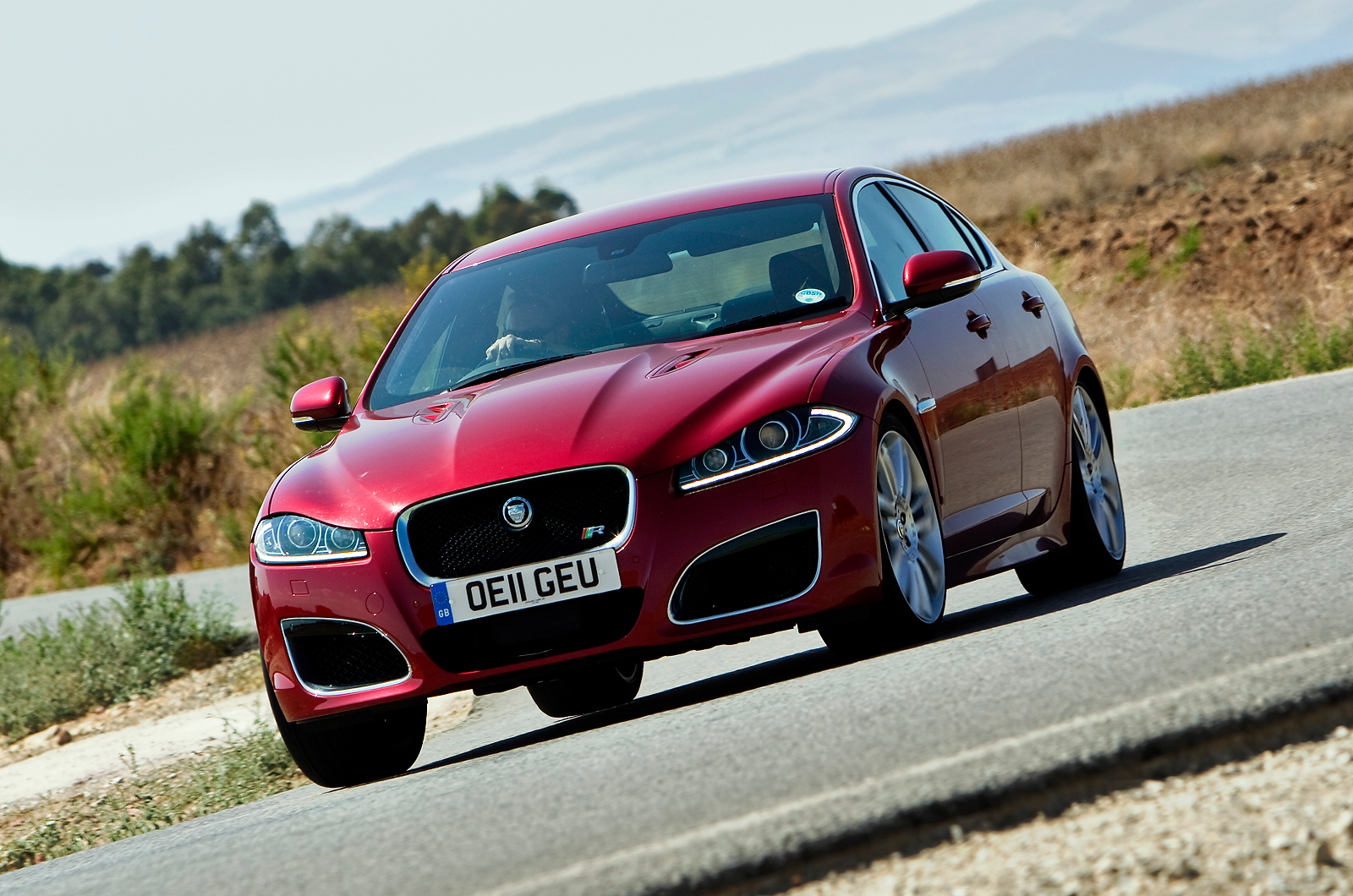
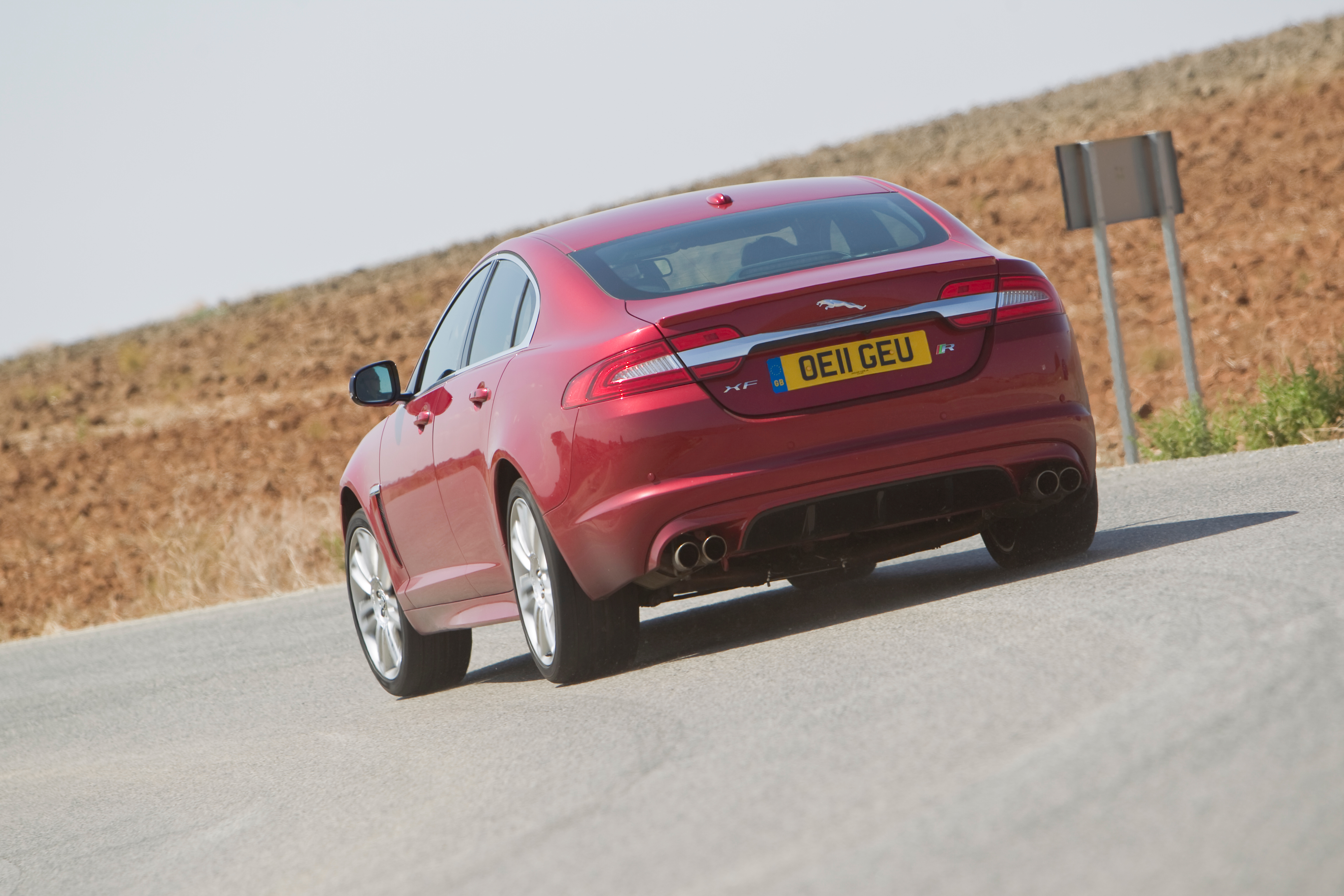
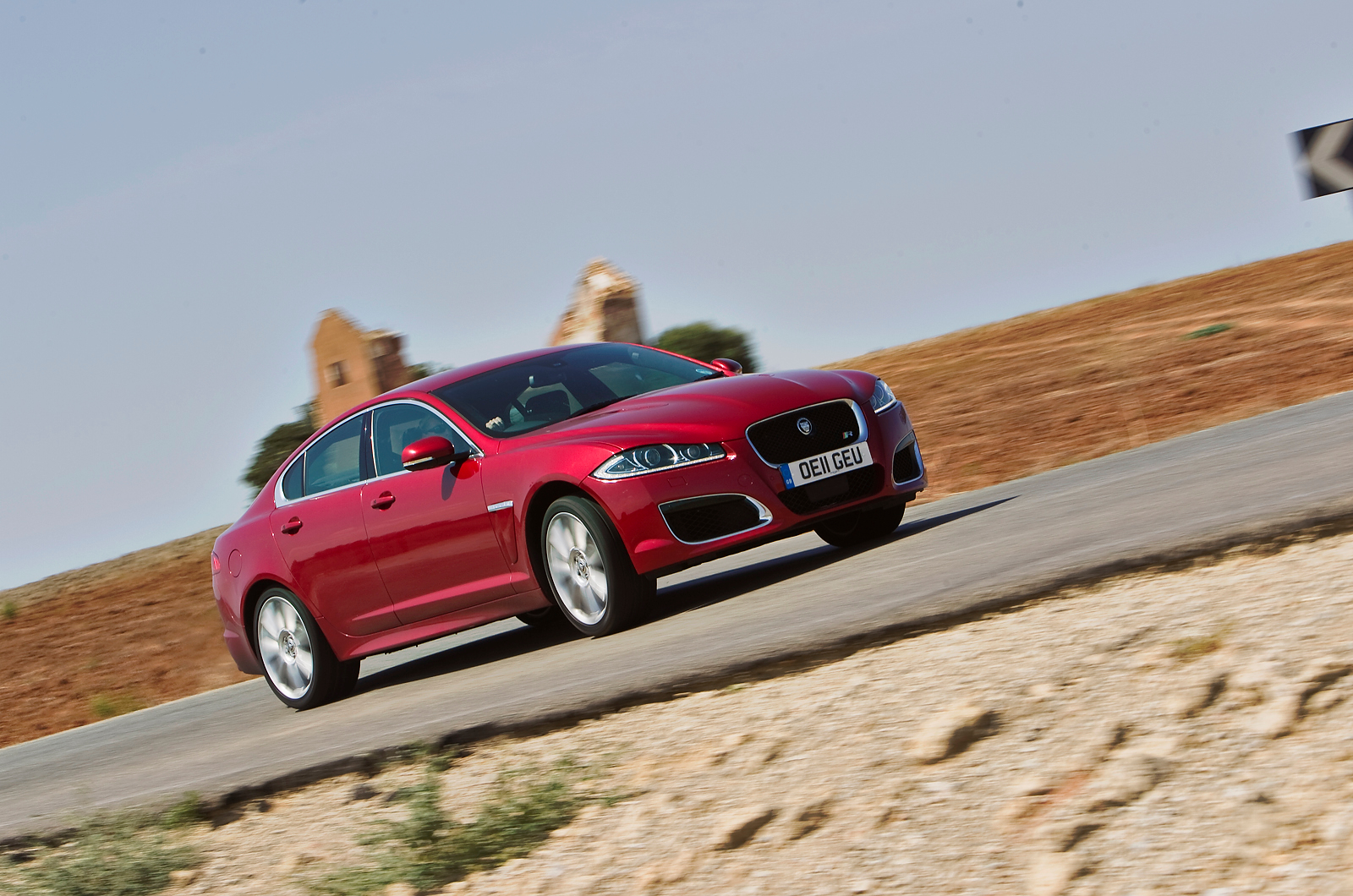
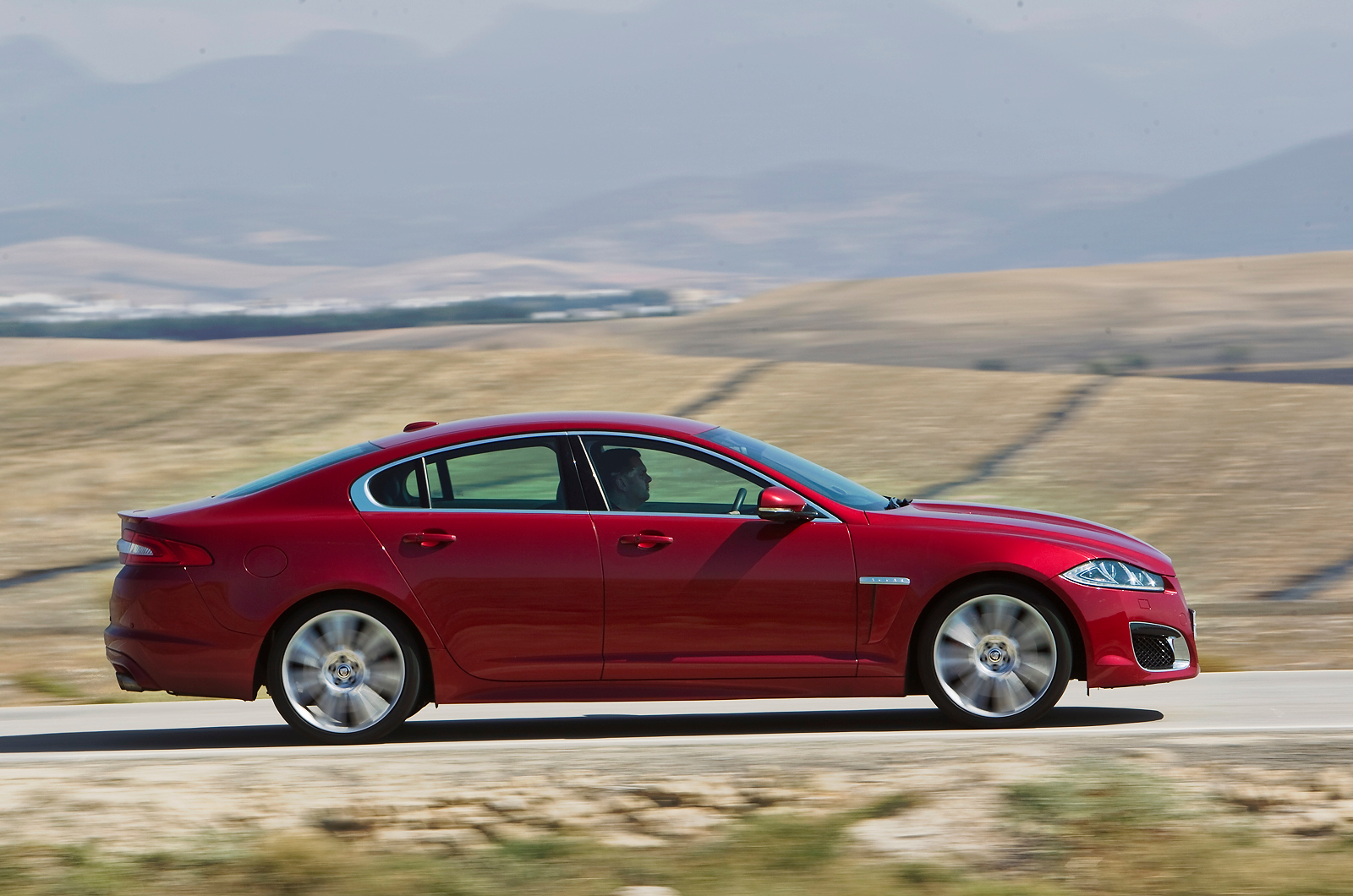
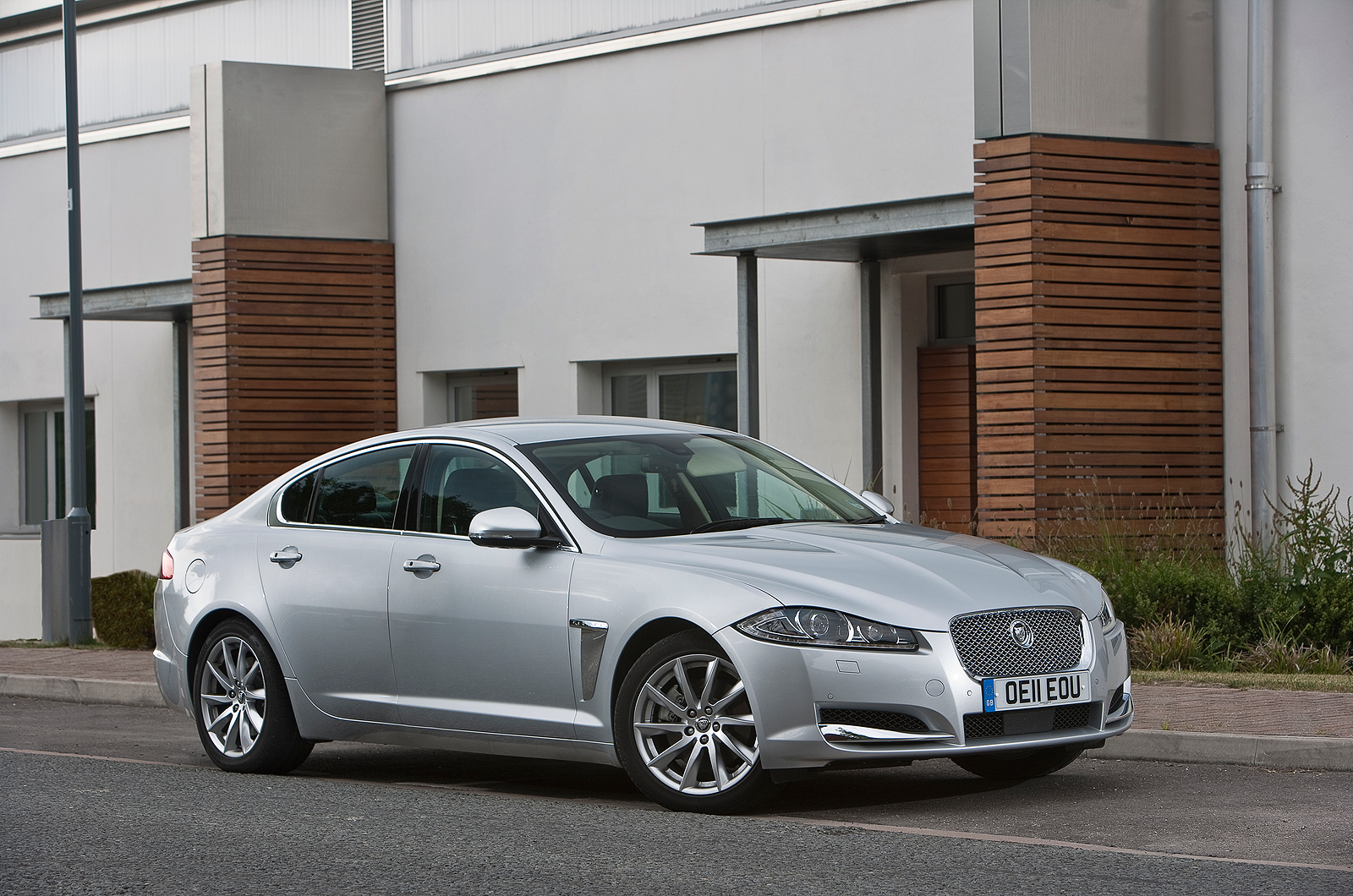
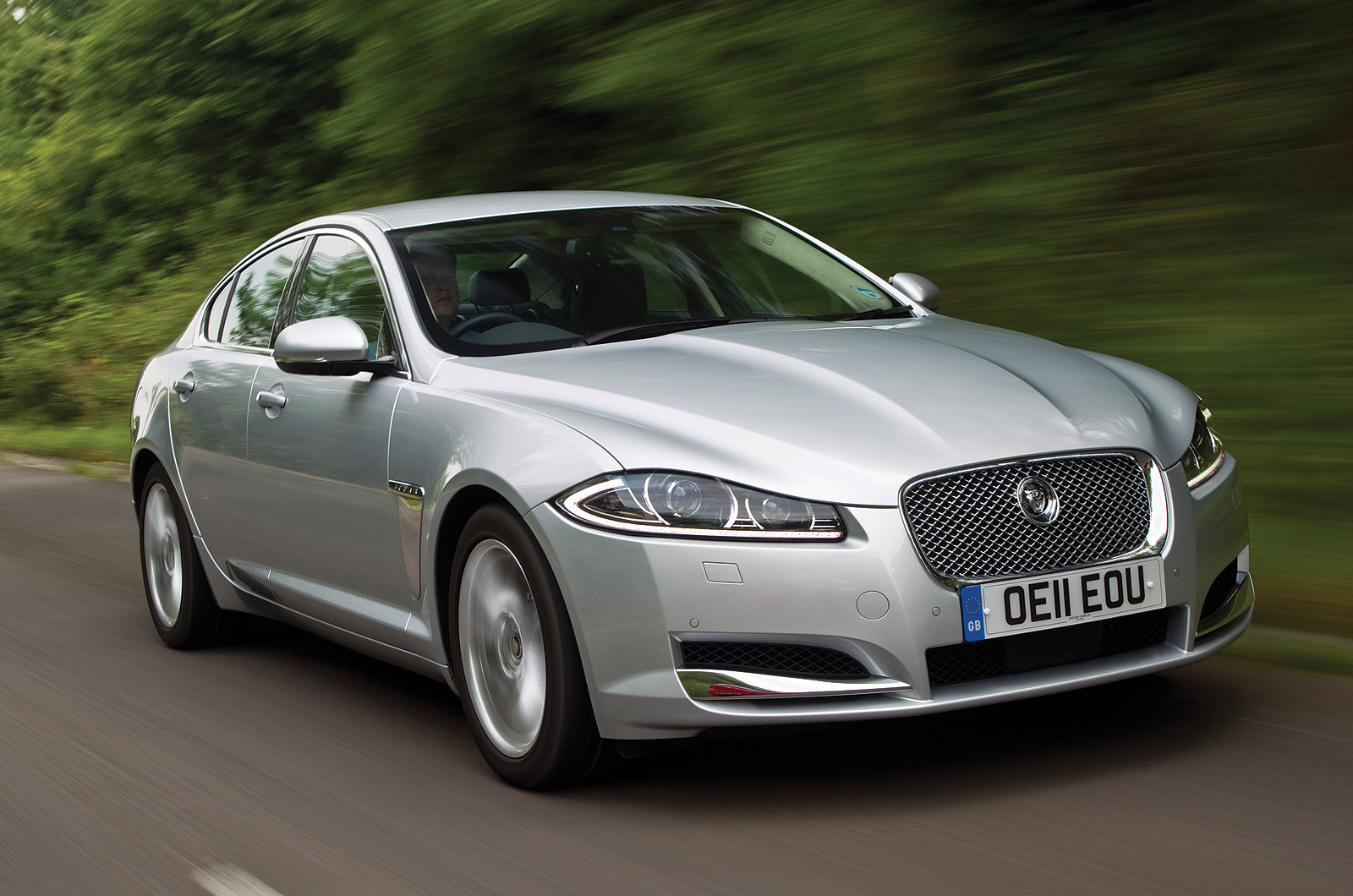
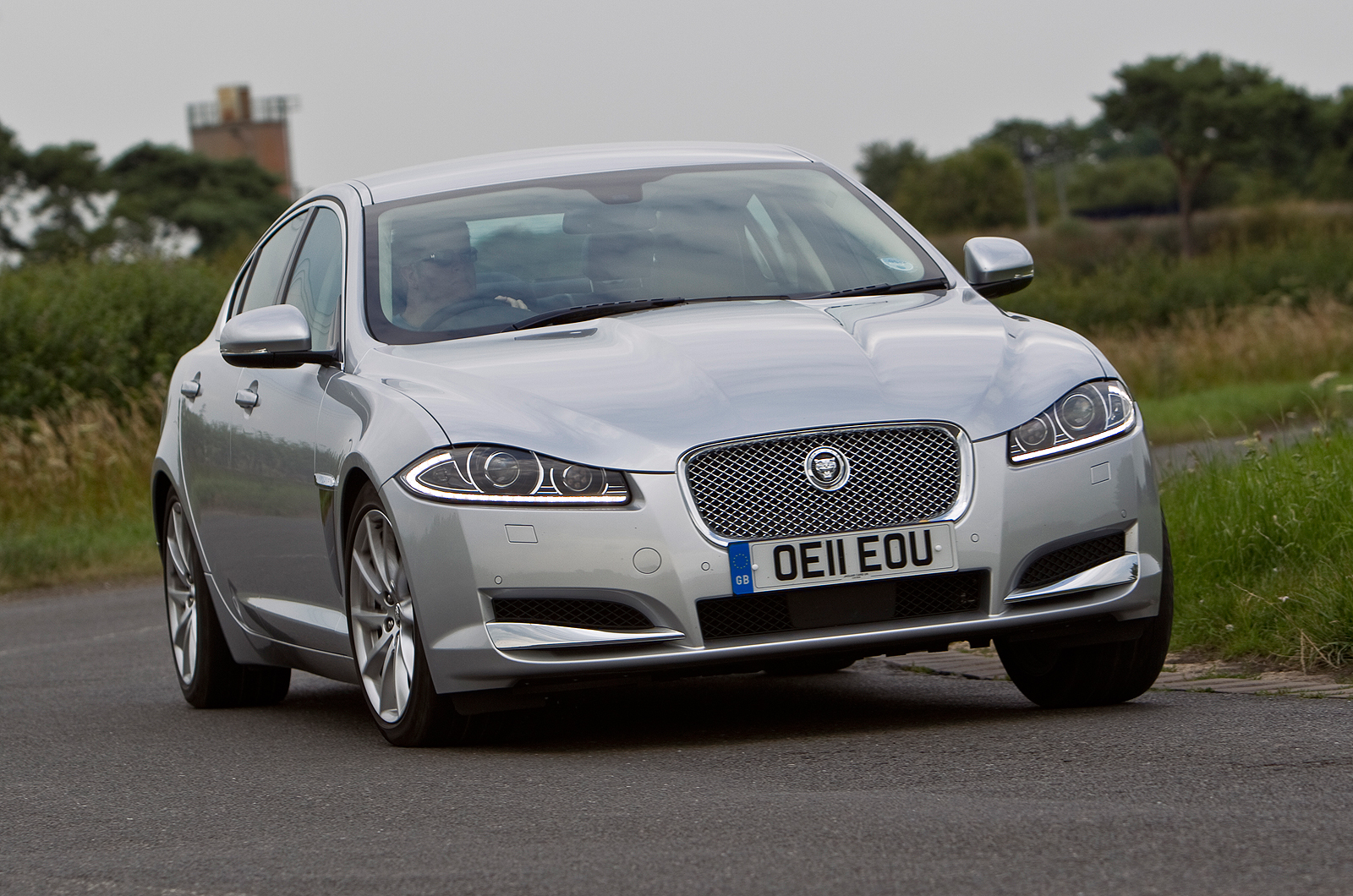
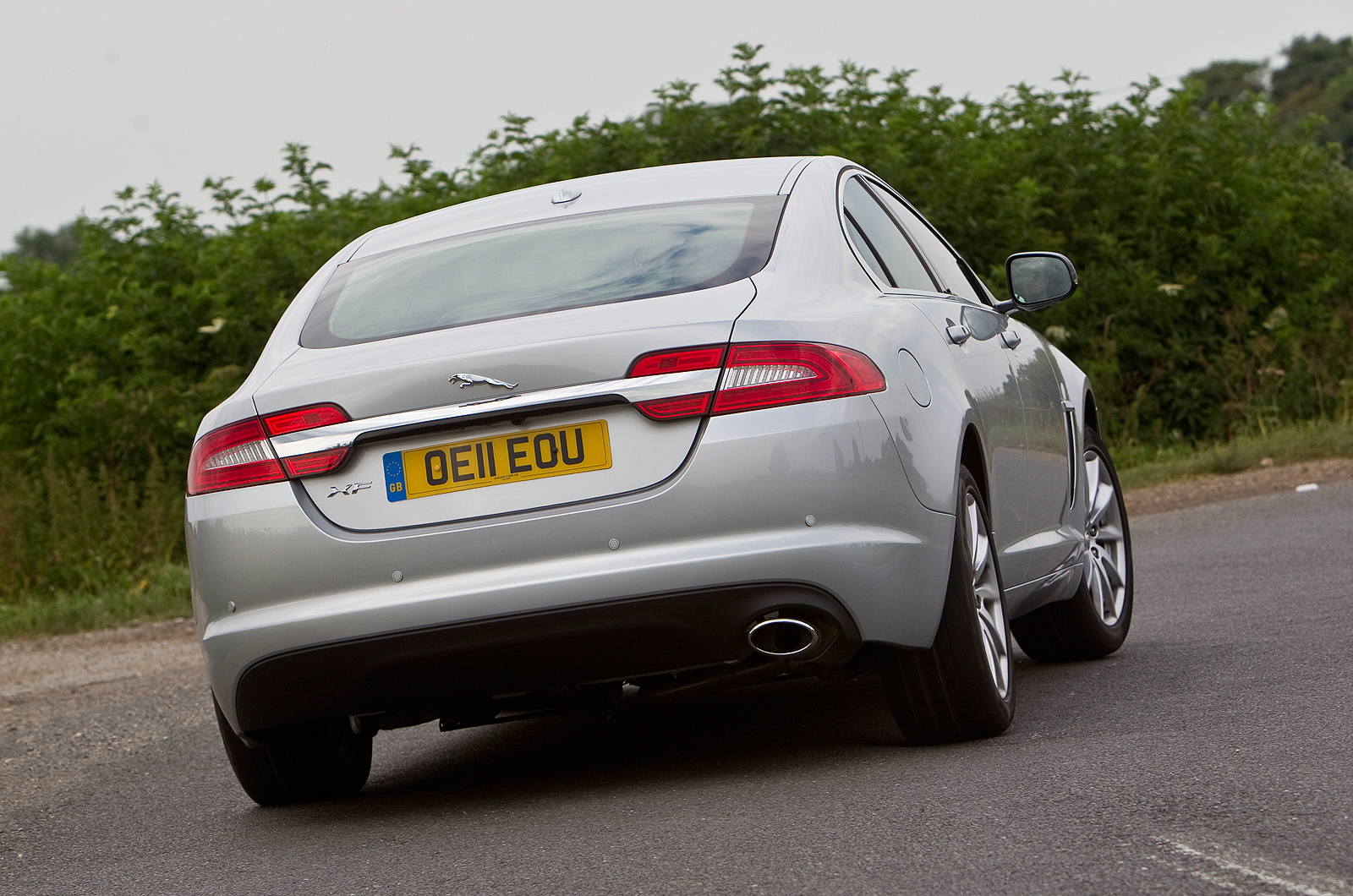
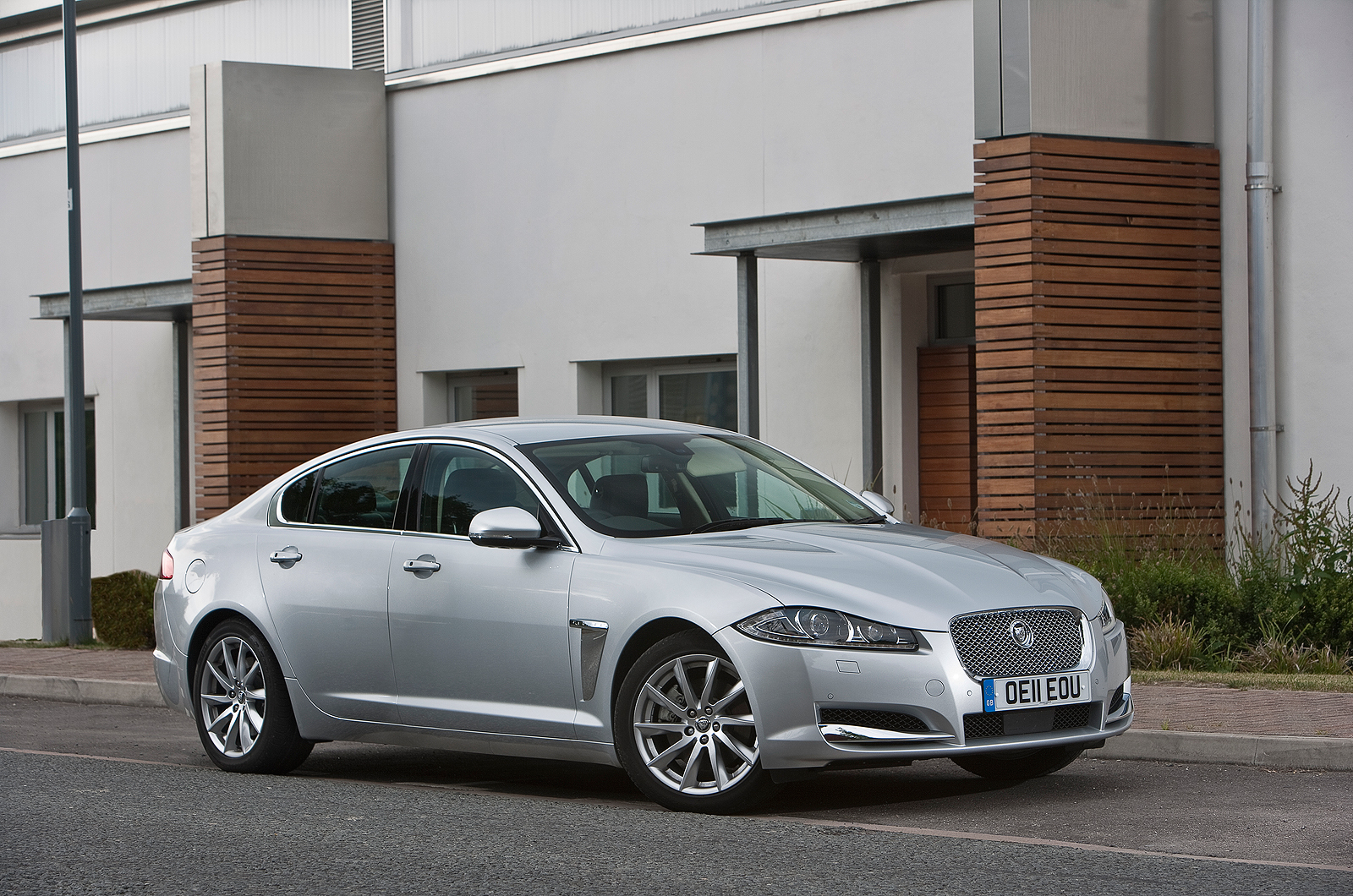
The Jaguar XFR is the British company’s rival to the BMW M5 and the Mercedes E63 AMG.
The
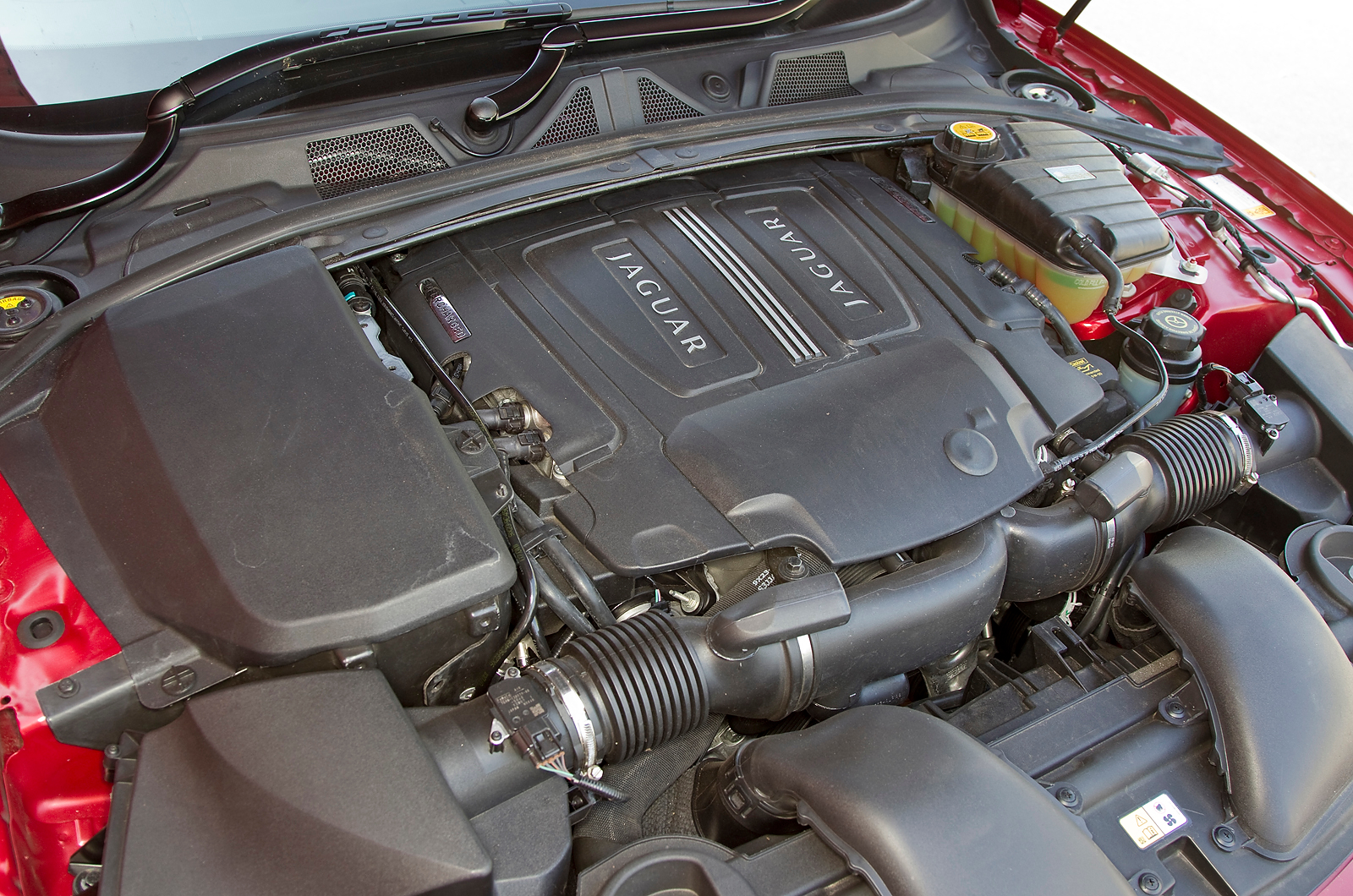
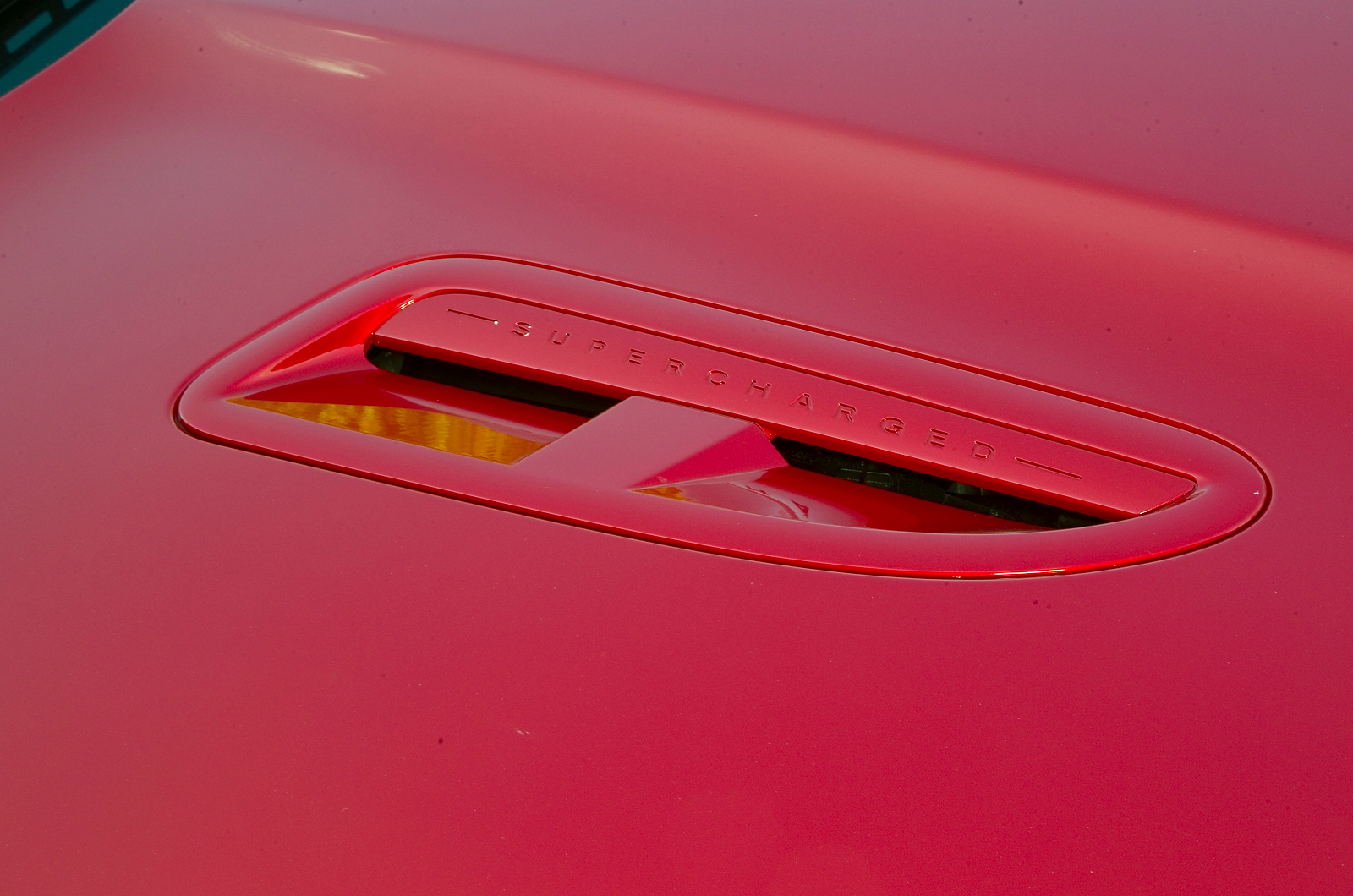
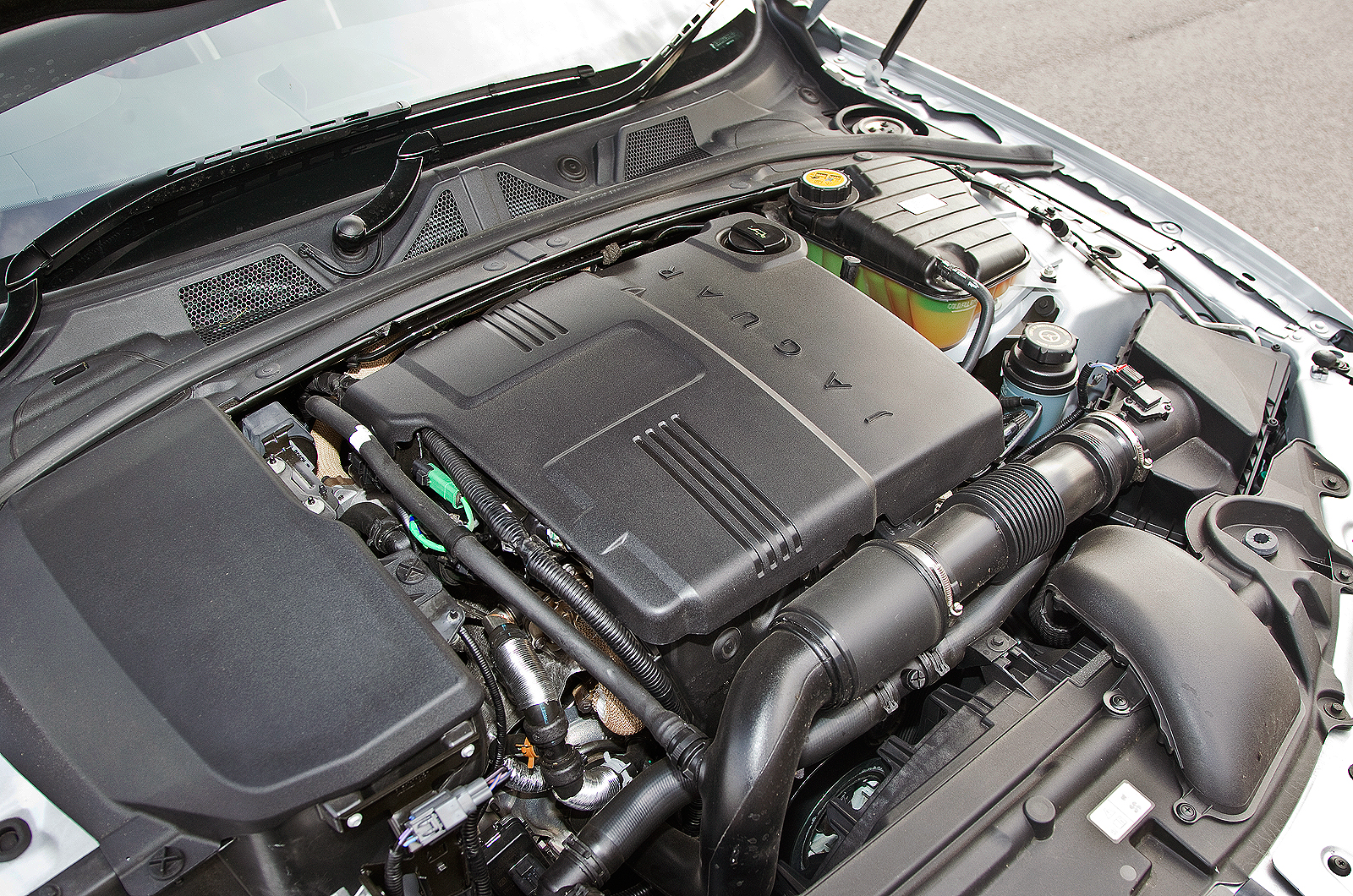
XFR builds on the now familiar XF saloon recipe but is powered by a
503bhp direct injection supercharged V8. It also gets substantial
chassis changes, including different spring rates, a newly developed
continuously variable electronic damping system and a new electronically
controlled rear differential.
The new XFR also benefits from enhancements to the steering over the standard car.
The
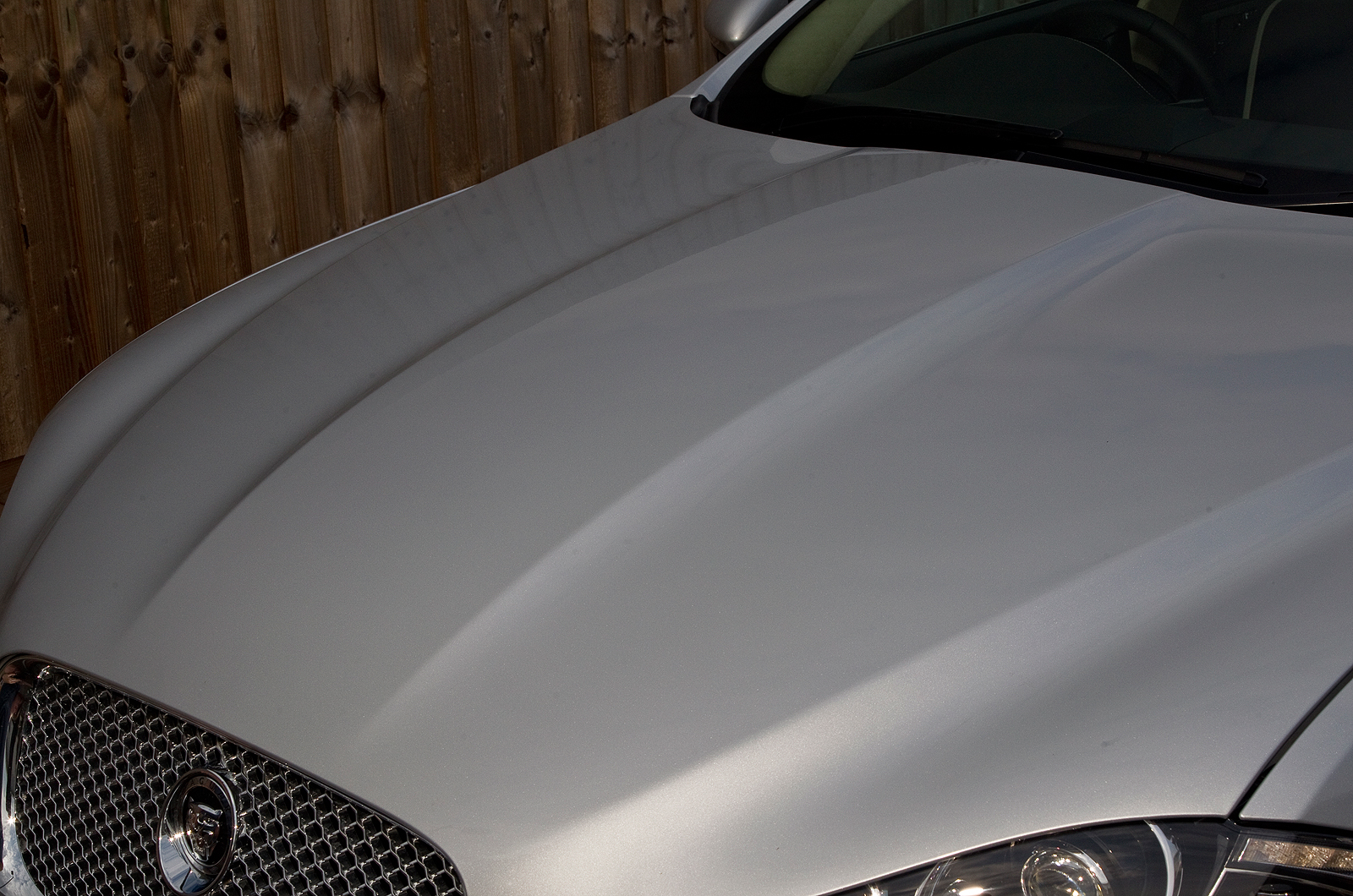
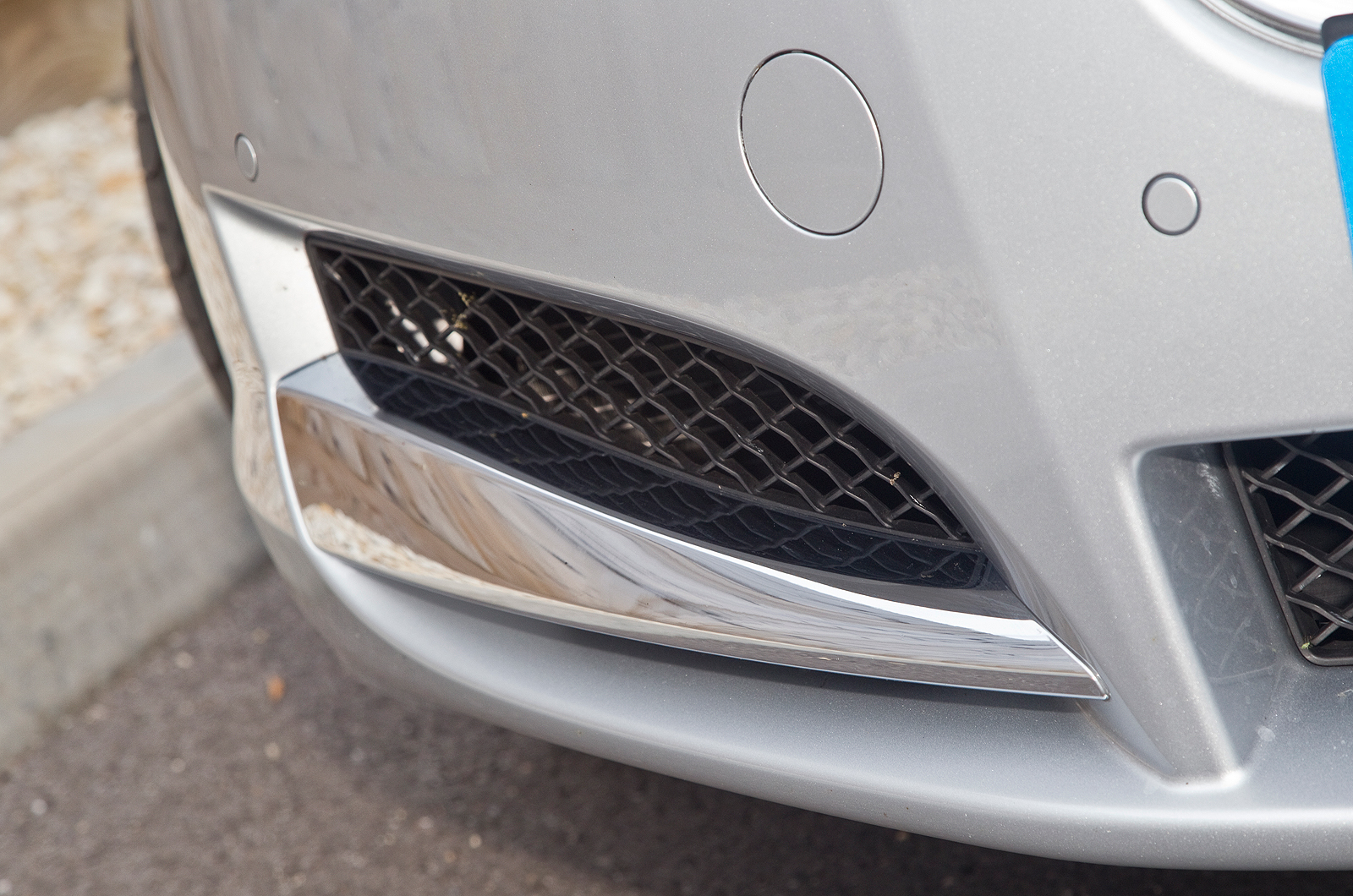
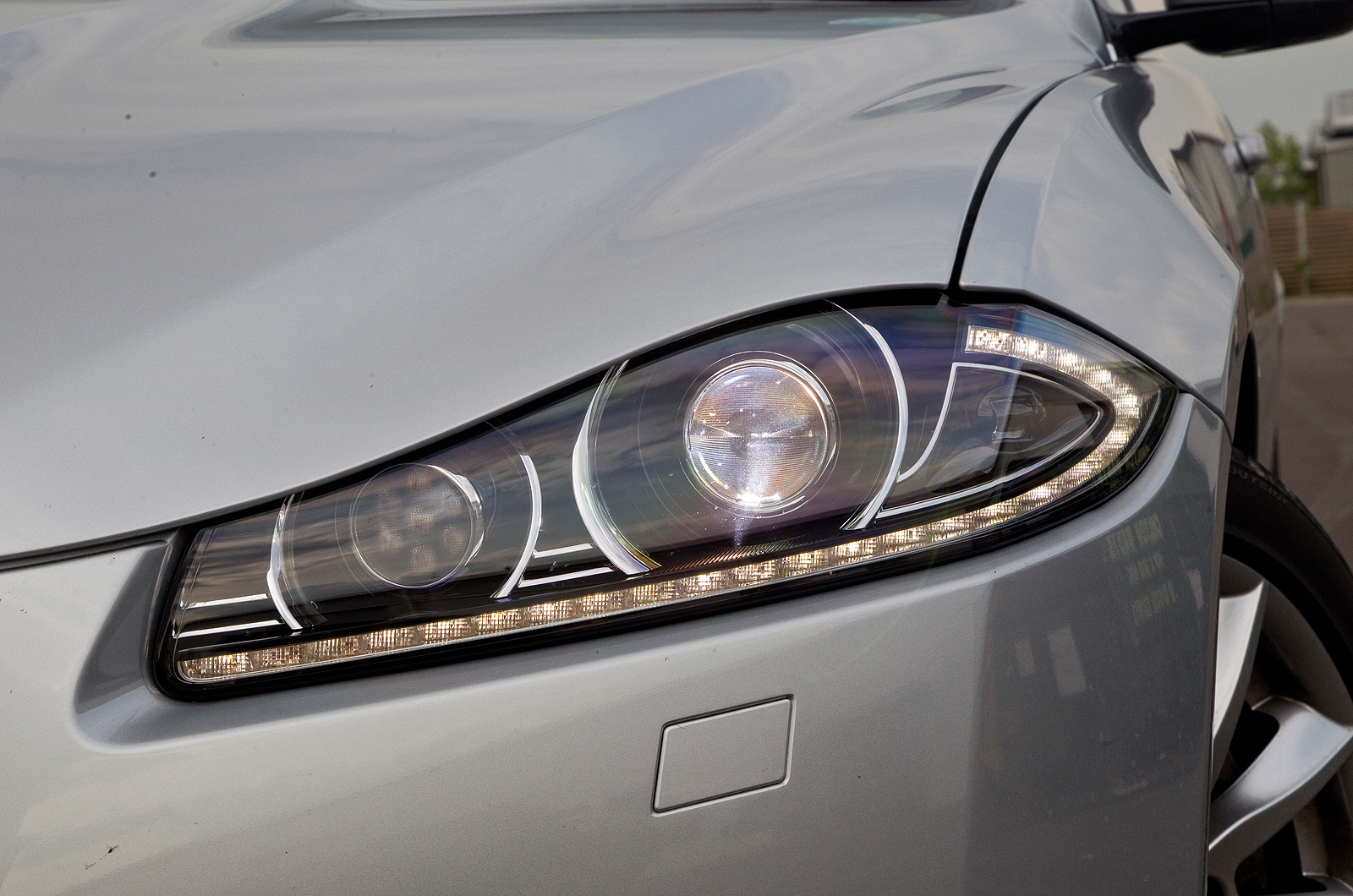
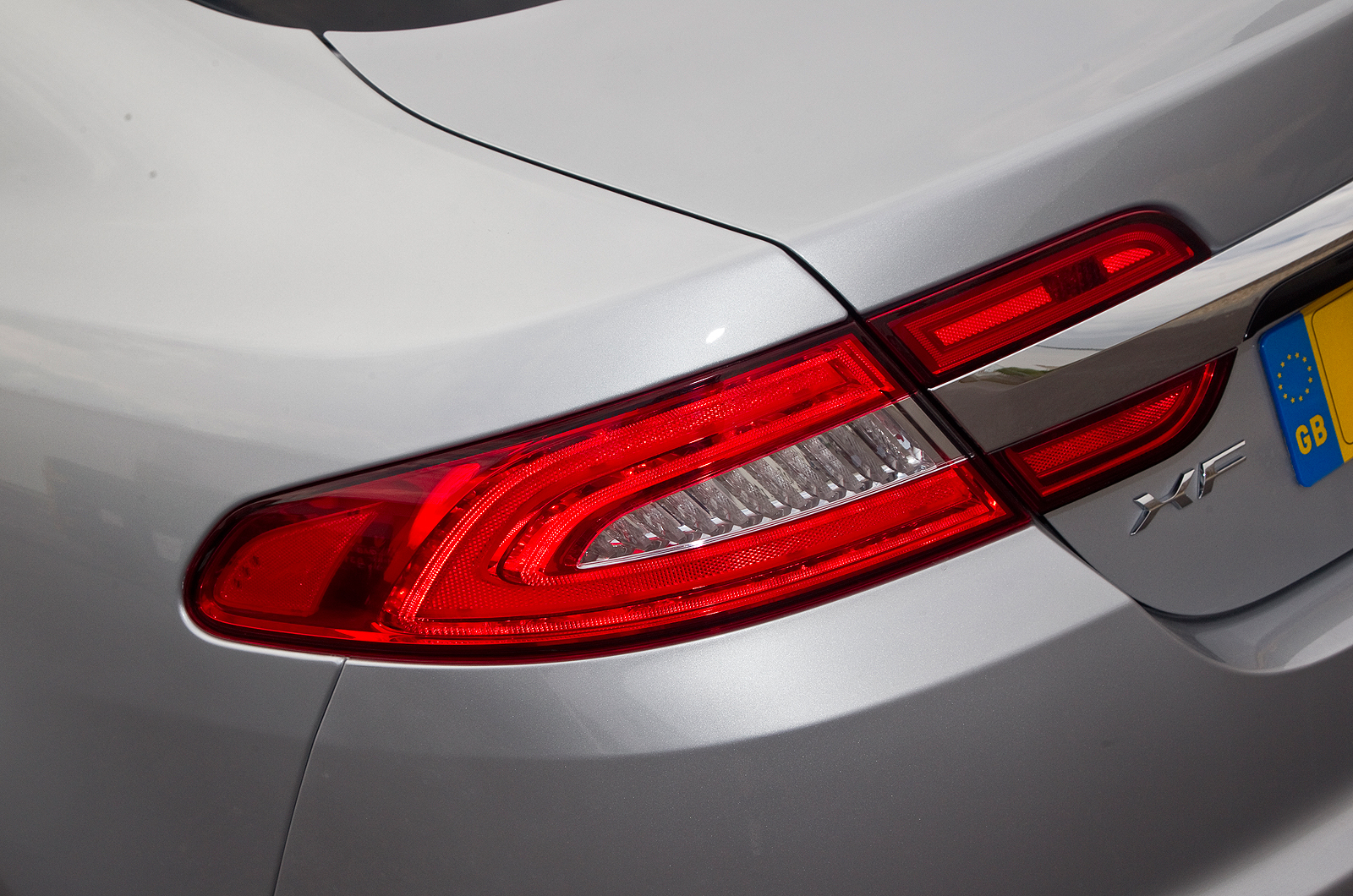
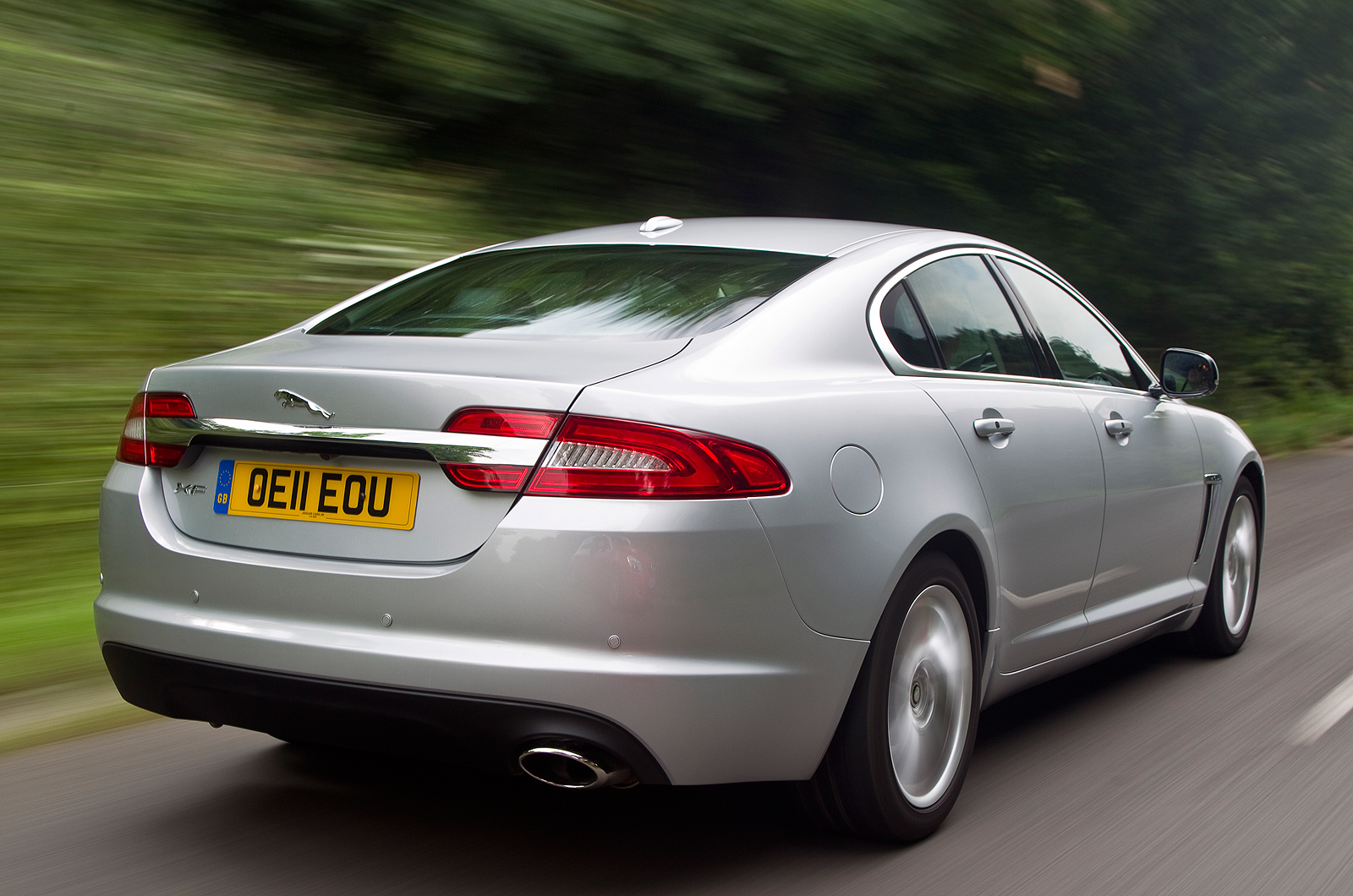
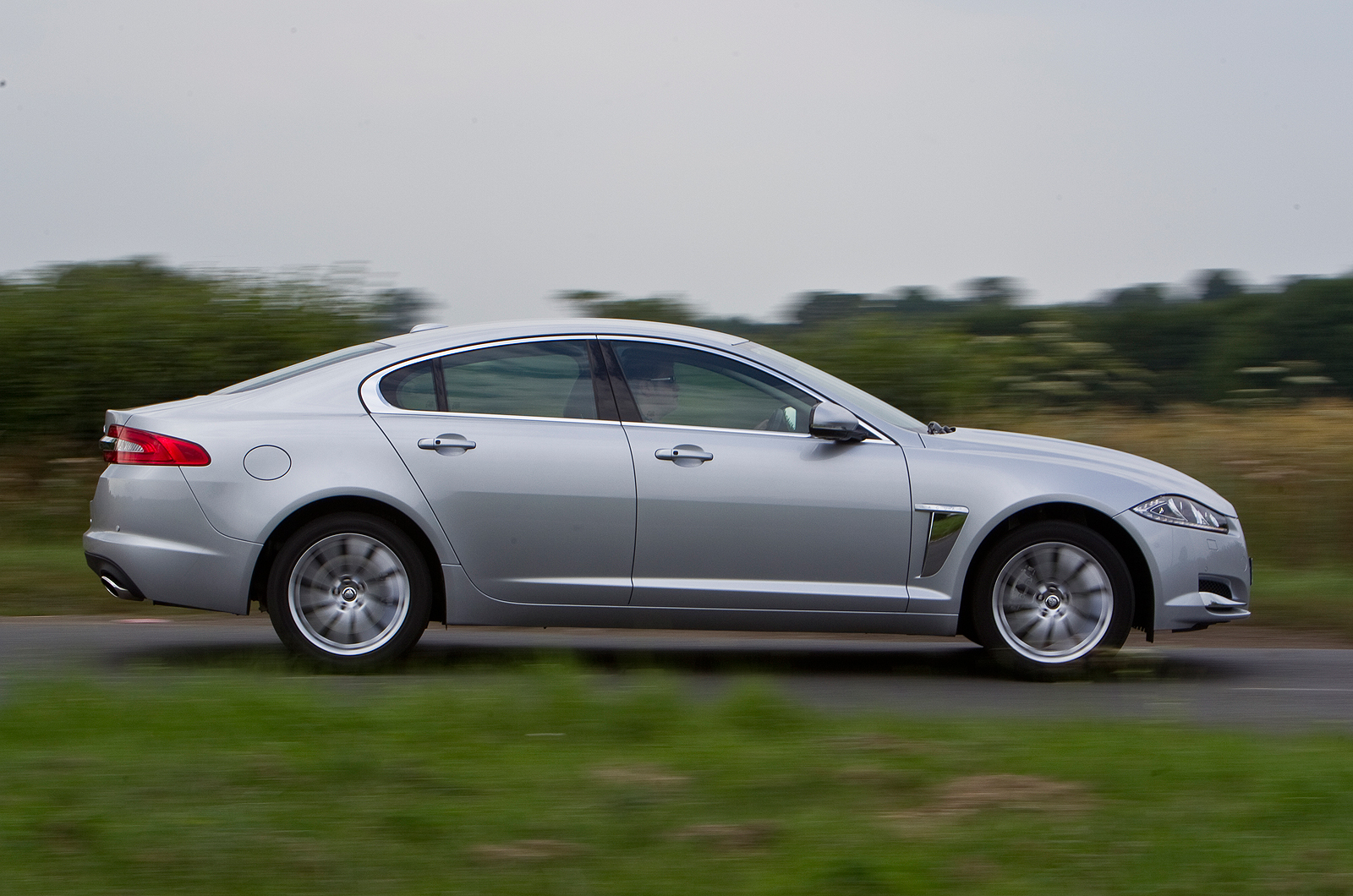
visual changes are subtle but effective. There’s a redesigned, XJ-esque
front end with a more aggressive look and added air intakes. It also
gets flared sills, a discreet boot lid spoiler and standard 20-inch
alloy wheels.
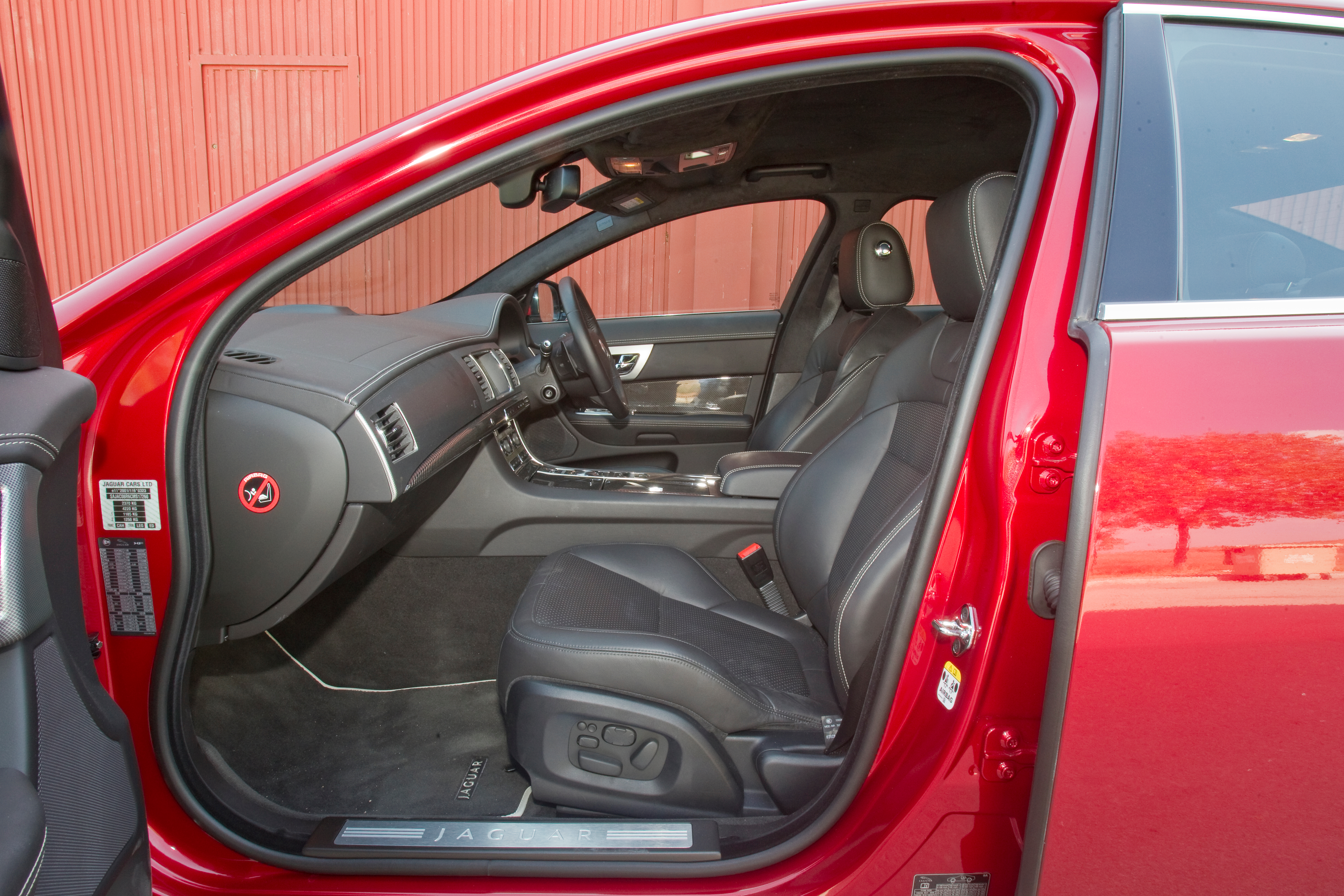
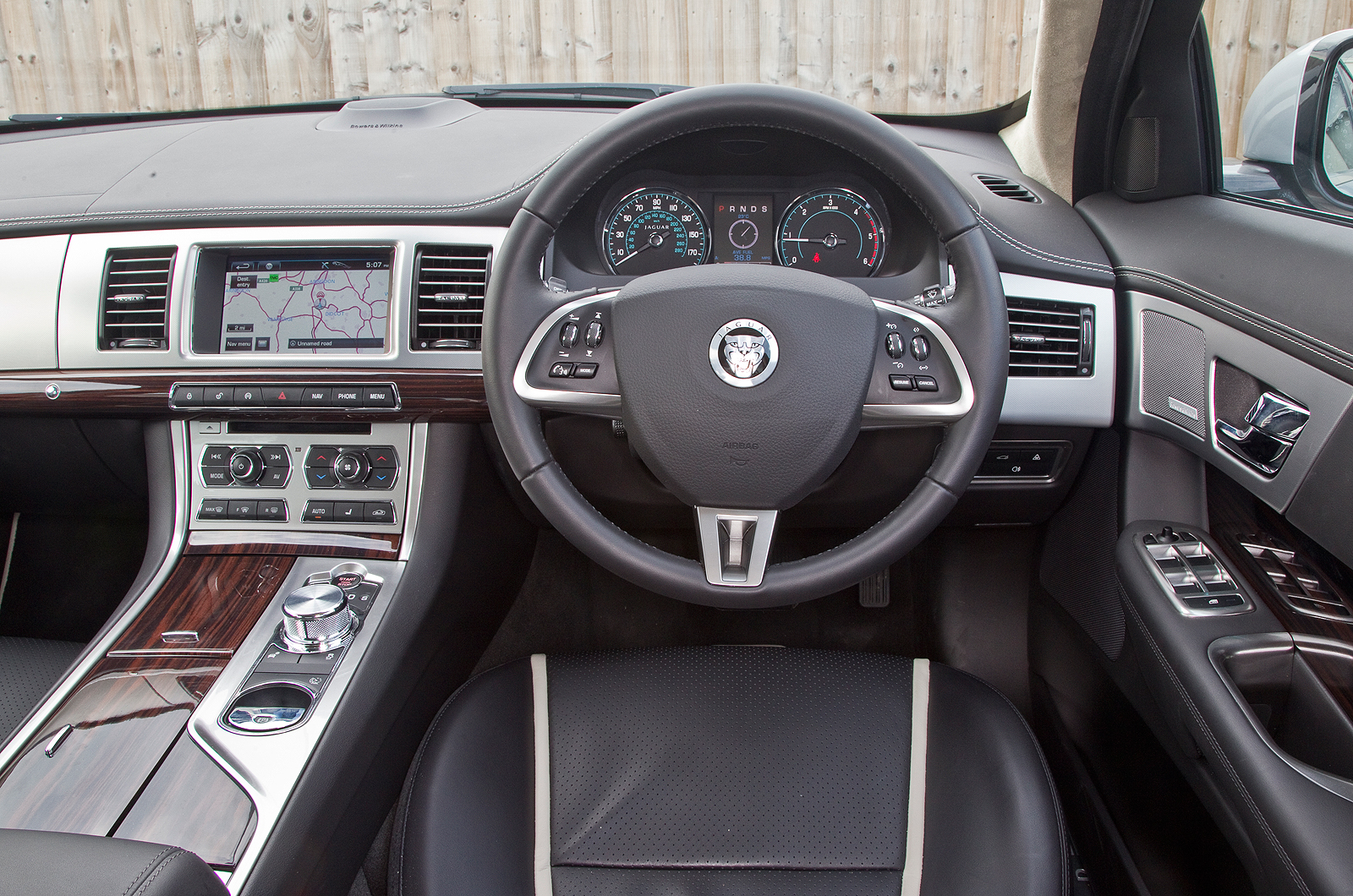
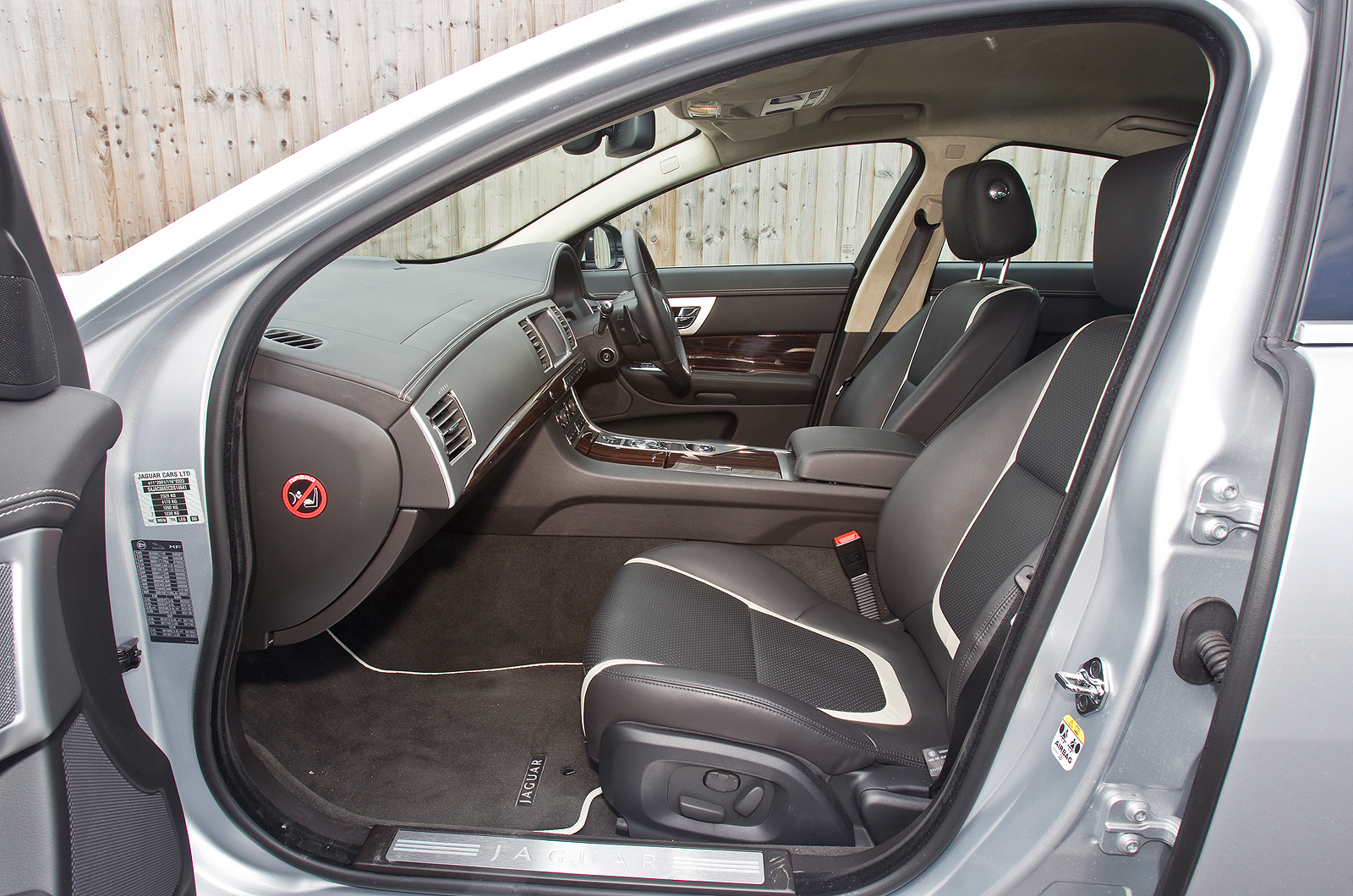
Inside there are further additions such as special
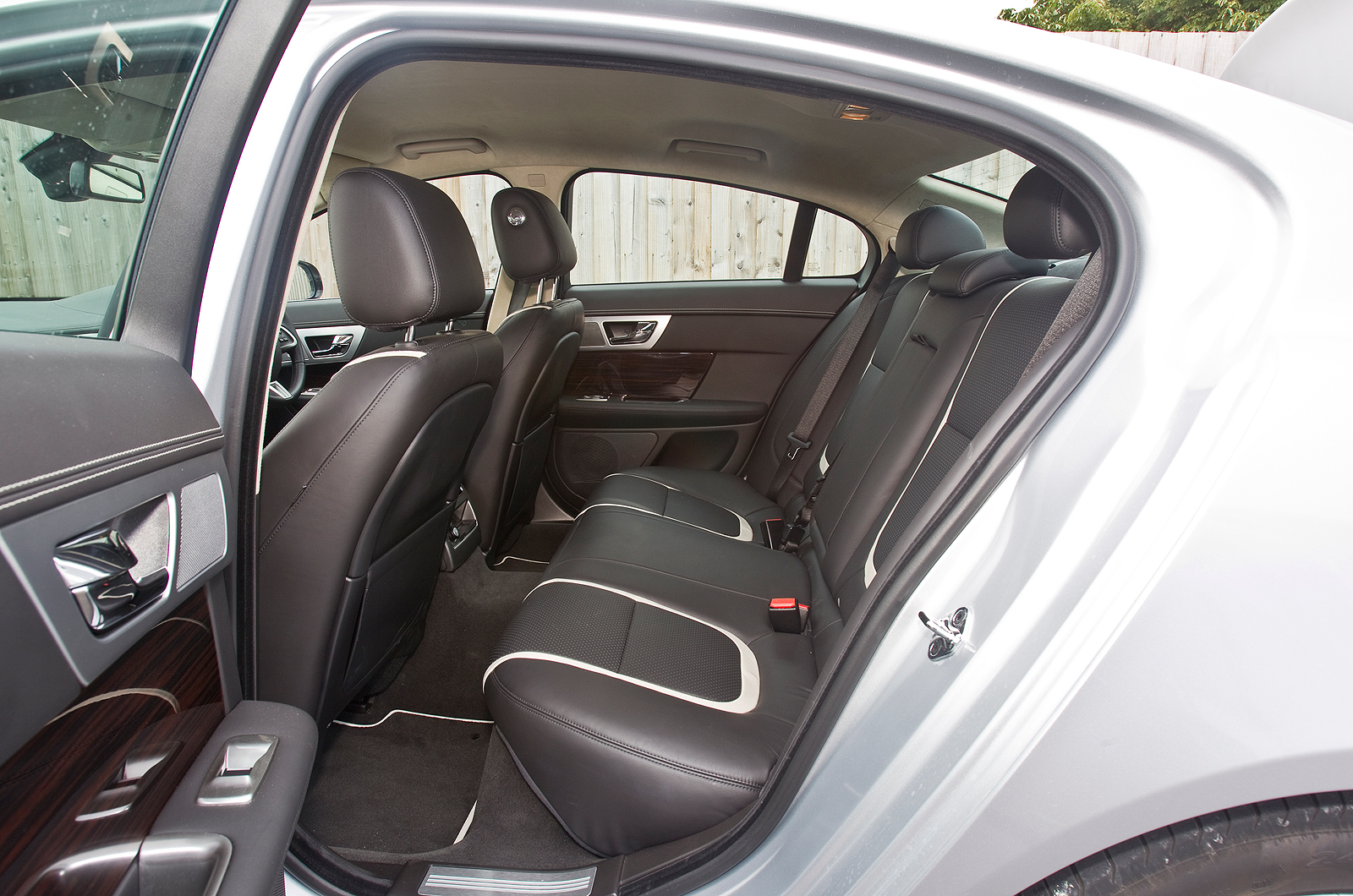
dials, dark wood and more heavily bolstered, but extremely comfortable,
seats.
The supercharged V8 in the Jaguar XFR is an absolutely magnificent engine. It makes the car almost indecently quick.
And
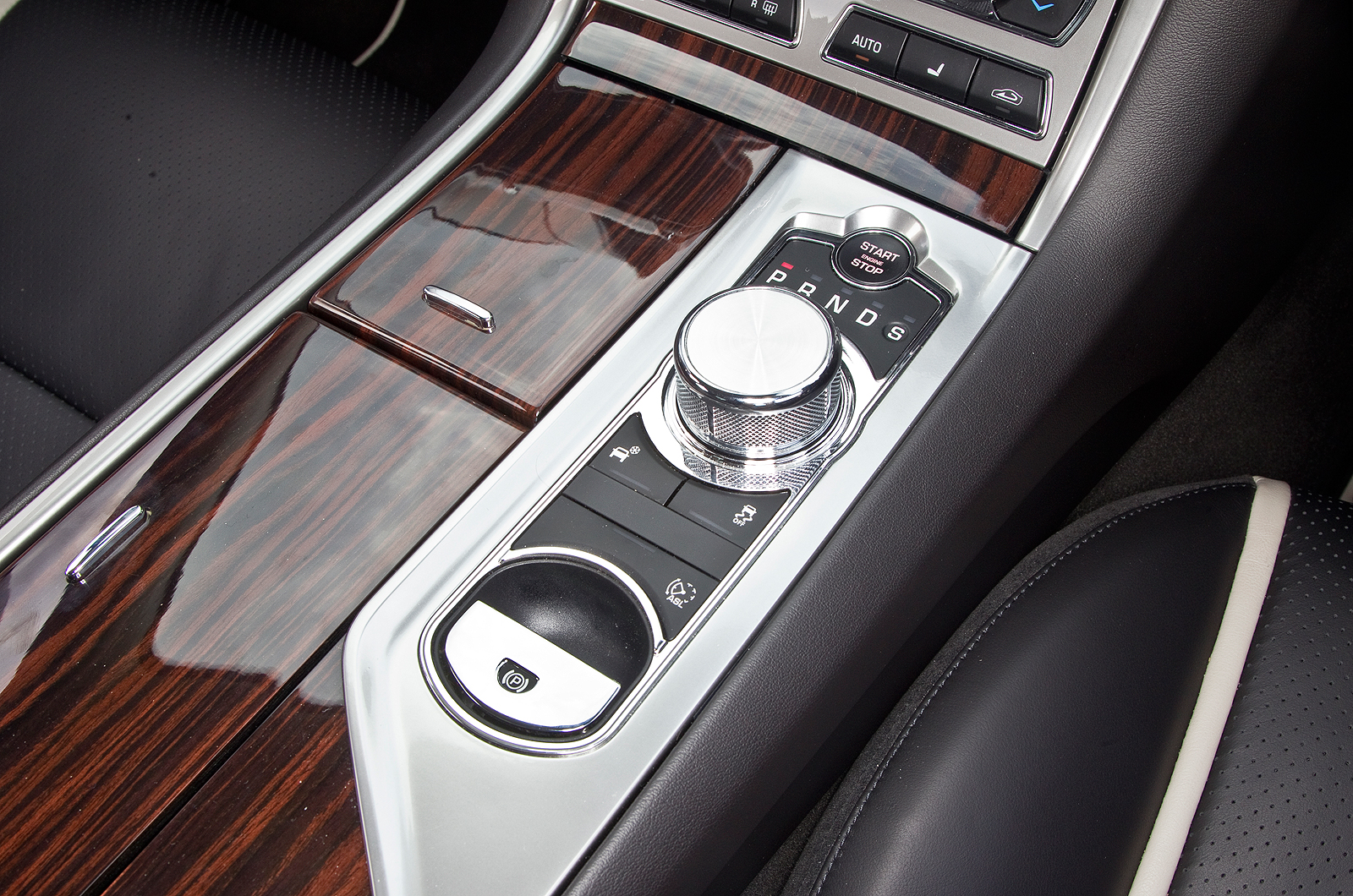
it’s this engine, allied to the familiar but fettled 6-speed ZF auto
‘box - now operated by a rotary dial - which gives the Jaguar XFR such
headway over its rivals. The torque and the effectiveness of this
gearbox make it brilliant docile when you want to make chilled progress,
but also crushingly effective when you want to flex your right foot and
get moving.
Maximum torque of 461lb ft is dished out from 2500rpm
to 5500rpm. So once you get it percolating, performance is
astonishingly relentless. The 0-60mph dash is despatched in 4.7sec, but
really telling is that 50-70mph is demolished in just 1.9sec, making it a
demonic overtaking tool.
All that torque means that it gets into
its stride at little over tickover and when it does performance is
intoxicating, as is the V8’s delicious repertoire of noises: which
don’t, for the first time on a supercharged Jag, include a whine unless
you’re on full throttle.
The Jaguar XFR’s substantial chassis
changes are instantly noticeable. For a start there’s an additional
firmness to it and far more bumps are telegraphed through to the cabin.
This isn’t just noticeable at urban speeds but even at three-figure
pace. However, the fact that it’s all so quiet and controlled still
makes the Jag a very credible cruising tool.
Yet the loss of some
suppleness is more than made up for by the way the XFR simply gobbles up
challenging roads. A quicker steering rack, plus the other chassis
changes make it far more agile than 'cooking' models.
It turns in
brilliantly, has almost endless grip and the electronics allow you to
get on the gas really early in a corner – easily making it the equal of
the BMW M5 through both fast and slow corners.
The XFR's composure
is first class. The new electronic damping system does a great job of
keeping the body taut and flat even when you’re doing the sort of speeds
on the sort of undulating roads that require the maximum amount of
wheel travel.
The rest of the experience is regular Jaguar XF plus
an extra ten per cent. Yes, there’s a little more road noise and Jaguar
still hasn’t managed to eradicate wind fluttering around the wing
mirrors. But one of the great car cabins has been made even better in
the R version.
The new sports seats are much improved over the
standard items, and there are additional trim flourishes that let you
know that you’re in the sports models but it doesn’t even get close to
tackiness or displaying a lack of taste.
If you want the best
all-round high-performance saloon the Jaguar XFR is the answer. It’s the
equal of the BMW M5 dynamically and for sheer performance; yet is far
easier to live with day-to-day and far more compliant when you’re not in
the mood for maximum attack.
While the rivals from Merc and Audi
have hot-rod grunt and plenty of other appealing characteristics, but
they both lack finesse and both need a lower price tag.